
Effective Therapy for Mental Health Disorders in Lalitpur
Effective Therapy for Mental Health Disorders in Lalitpur
Mental health is essential to overall well-being. Just as physical health problems require medical care, emotional and psychological difficulties can also benefit from professional help. If you are searching for therapy for mental health disorders in Lalitpur, you have already taken an important step toward better mental well-being.
At Karunya Health Care, Lalitpur, we understand that every person’s mental health experience is different. Psychological difficulties can affect thoughts, emotions, relationships, work, studies, sleep, and everyday activities. Here, we provide confidential, evidence-based care for adults and provide appropriate assessment and individualized care. Thus, we help people learn to understand their difficulties, develop healthier coping strategies, and work toward meaningful improvements in their lives.
This guide describes the disorders we treat, the types of therapy that work, what happens at your first visit, how to choose the right professional, and when to seek urgent help.
What Are Mental Health Disorders?
A mental health disorder is a condition that affects how a person thinks, feels, behaves, or relates to others, to the point where it causes distress or interferes with daily life.
According to the World Health Organization (WHO), roughly one in eight people worldwide lives with a mental health disorder. Mental health conditions are common; they are medical conditions rather than character flaws, and most of them respond well to professional treatment, especially when care starts early.
Mental disorders are not a sign of weakness, bad parenting, lack of willpower, or being lazy. They develop from a mix of biological, psychological, and social factors, such as genetics, brain chemistry, difficult life events, long-term stress, trauma, loneliness, and physical illness.
What is Therapy for Mental Health Disorders?
Therapy for mental health disorders refers to structured psychological interventions that help individuals understand and manage emotional, behavioral, and psychological difficulties.
Therapy may focus on changing unhelpful thought patterns, managing emotions, improving relationships, developing coping skills, or addressing experiences that contribute to psychological distress, depending on the person’s needs.
There is a misconception that psychological therapy is only for people with diagnosed mental health disorders. But it’s not limited to that; individuals experiencing stress, adjustment difficulties, grief, interpersonal conflicts, or challenges related to major life changes may also benefit from professional support.
The type of therapy recommended depends on several factors, including the person’s symptoms, personal circumstances, preferences, and clinical needs.
When seeking therapy for mental health disorders in Lalitpur, it is important to choose a service that considers the whole person rather than focusing only on symptoms.
Who Can Benefit from Mental Health Therapy?
People seek therapy for many different reasons. You do not need to be in crisis to see a therapist. Consider seeking help if you notice experiencing:
- Persistent fear, worry, nervousness, or hopelessness most days for two weeks or longer.
- Low mood, sadness, or reduced interest in daily activities.
- Difficulty managing stress or overall emotions.
- Trouble sleeping, or you sleep far more than usual.
- Relationship conflicts or persistent negative self-beliefs.
- Emotional difficulties affecting work, studies, or family life.
- Ongoing psychological distress following traumatic experiences.
- Having thoughts of harming yourself.
- Struggling to adjust after a major life change, such as job loss, migration, a breakup, illness, or bereavement.
- Reduced confidence or withdrawing from friends and relatives.
To seek help, you do not need to wait until your difficulties become severe. If emotional or psychological problems persist, interfere with daily functioning, or feel difficult to manage independently, professional assessment may help clarify the next steps.
What Are the Types of Mental Health Disorders That May Benefit from Therapy?
For a range of mental health conditions, therapy can be an important part of care. Our approach is built around each person’s symptoms, history, and goals. Below are the main conditions we help with.
Anxiety Disorders
Anxiety disorders involve excessive worry, fear, restlessness, physical tension, or difficulty concentrating. They include generalized anxiety disorder, social anxiety, and phobias.
Anxiety therapy may help individuals recognize triggers, understand the relationship between thoughts and feelings, and gradually develop more helpful responses to anxiety.
Cognitive behavioral therapy (CBT) is one evidence-based approach used for several anxiety disorders. Other psychological approaches may be appropriate depending on the person’s symptoms and needs.
Depression
Depression is more than sadness. It may involve persistent sadness, loss of interest, low energy, feelings of worthlessness, difficulty concentrating, or changes in sleep and appetite. These symptoms can affect personal relationships, work, studies, and everyday activities. It is common, treatable, and often overlooked.
Psychological therapy can help people understand emotional difficulties, identify unhelpful patterns, develop coping skills, and gradually re-engage with meaningful activities.
Depending on the severity of depression, treatment may involve psychotherapy, psychiatric assessment, medication, or a combination of approaches.
Panic Disorder
Panic disorder involves sudden episodes of intense fear with symptoms such as chest tightness, shortness of breath, dizziness, sweating, or a feeling of losing control. Many people fear a heart attack the first time it happens. Therapy helps you understand panic and reduce both the attacks and the fear of having them.
Stress and Adjustment Difficulties
Stress may arise from academic pressure, work responsibilities, family expectations, financial concerns, relationship difficulties, or significant life changes.
Counselling and structured stress-management techniques can help recover before the problem becomes a clinical disorder.
Trauma and PTSD
After a frightening or life-threatening event, some people continue to experience flashbacks, nightmares, being constantly on guard, or emotional numbness. Trauma-focused therapy offers a safe, paced way to process these experiences.
Obsessive-Compulsive Disorder (OCD)
OCD can involve unwanted, recurring thoughts or urges and repetitive behaviors or mental rituals performed to reduce stress.
A specialized psychological intervention, such as exposure and response prevention (ERP), may be recommended for appropriate patients. Assessment helps determine the most suitable treatment plan.
Relationship and Family Difficulties
Conflicts, communication problems, family responsibilities, and major changes in relationships can contribute to emotional distress.
Counselling may help individuals understand recurring patterns, communicate more effectively, manage difficult emotions, and consider constructive ways to address problems.
Types of Therapy Used for Mental Health Disorders
There is no single therapy that suits everyone. Different therapeutic approaches address different psychological needs. A qualified professional can help determine which approach is appropriate following an assessment.
Cognitive Behavioral Therapy (CBT)
CBT is one of the most widely researched talk therapies. It examines the connections between thoughts, feelings, and behaviours. It helps you notice unhelpful thought patterns, test them against reality, and change behaviors that keep problems going.
CBT is used for several conditions, including anxiety disorders, depression, panic, OCD, and insomnia.
Supportive Counselling
Supportive counselling provides a safe, non-judgmental space to talk through difficulties, build coping skills, and feel understood. It is especially helpful during life transitions, grief, and adjustment problems.
Psychoeducation
Understanding your condition reduces fear and shame. Psychoeducation explains what is happening in your mind and body, how treatment works, and what you can do between sessions.
Family and Couple Sessions
Mental health conditions affect families too. Where appropriate, and with your consent, involving a trusted family member can improve understanding, communication, and recovery.
Trauma-Focused Therapy
For people affected by traumatic events, trauma-focused methods allow memories to be processed gradually and safely, without being overwhelmed.
Medication Support
For some conditions, such as moderate to severe depression, bipolar disorder, or severe anxiety, a psychiatrist may recommend medication alongside therapy. Medication is never forced, and the decision is made together after a full explanation of benefits and side effects.
What to Expect During a Therapy Session?
We keep the process simple and transparent, so you always know what to expect.
Initial Assessment
The first appointment generally focuses on understanding your concerns, symptoms, personal history, current circumstances, and goals for treatment.
You meet a qualified clinician for a detailed conversation without judgement or rush.
The professional may ask about your mood, sleep, relationships, daily functioning, and previous treatment. These questions help establish a clearer understanding of your needs.
You can ask questions about the process and share concerns about starting therapy.
Diagnosis and Explanation
Your clinician explains what you may be experiencing, in language you understand, and answers your questions.
Developing a Treatment Plan
After assessment, the professional psychologist can discuss possible approaches, expected goals, and the recommended frequency of sessions.
The treatment plan should reflect your specific needs rather than follow a fixed approach for everyone.
Together you agree on goals, the type of therapy, session frequency and whether a psychiatric review is helpful.
Ongoing Therapy Sessions
Subsequent sessions may involve discussing recent experiences, exploring thought and behaviour patterns, learning coping strategies, and reviewing progress toward agreed goals.
Some approaches include exercises or activities to practice between sessions.
Progress varies between individuals. Some people notice improvements relatively early, while others require longer-term support.
Regular Therapy Sessions
Sessions are usually weekly or fortnightly at first. You practice skills in between sessions and review progress along the way.
Medication review, if needed
A psychiatrist reviews and monitors any medication to keep it safe and effective.
Progress review and relapse prevention
As you improve, sessions become less frequent. You leave with a plan for handling future stress.
Psychiatrist, Psychologist or Counsellor: Who Should You See?
Many people in Lalitpur are unsure which professional to approach. Here is a simple comparison.
Psychiatrist
A medical doctor who diagnoses mental health disorders and manages treatment, including medication.
Can prescribe medication? Yes.
Clinical Psychologist
Assesses and treats mental disorders using structured psychological therapies such as CBT.
Can prescribe medication? No
Counsellor
Provides supportive talking therapy for stress, relationships, grief and life difficulties.
Can prescribe medication? No
If you are not sure, begin with an assessment. Our team will guide you to the right type of care, and a psychiatrist and a psychologist can work together on the same treatment plan.
Why Choose Therapy for mental health disorders in Lalitpur?
Receiving therapy for mental health disorders in Lalitpur means you can attend sessions regularly without long travel from Patan, Jawalakhel, Kupondole, Pulchowk, Sanepa, Satdobato, Imadol, or nearby areas.
Consistency is one of the strongest predictors of good results, and a clinic that is easy to reach makes it much easier to keep appointments.
Sessions can be held in Nepali, English, or a comfortable mix of both, which helps you express your feelings accurately instead of searching for the “right” words.
Online Therapy Options
If you live outside Lalitpur, have a busy schedule, work abroad, or prefer to begin from home, online sessions can be a practical alternative for many conditions. All you need is a private space and a stable internet connection.
Your clinician will tell you whether online care is suitable for your situation, since some conditions or crisis situations need in-person assessment.
Confidentiality
Privacy is one of the most common concerns we hear. Everything you share in a session is kept confidential, within the limits of the law and professional ethics. Your records are stored securely, and we do not share information with family, employers, or anyone else without your consent, except when there is serious risk to your safety or the safety of others.
Book a Mental Health Consultation in Lalitpur
Taking the first step toward mental health care can feel difficult, especially if you are unsure how to explain what you are experiencing. You have to have your concerns taken seriously and to receive appropriate guidance.
At Karunya Health Care, you can enquire about available mental health services and the appropriate next step for your concerns.
Whether you are exploring therapy for anxiety, depression, stress or other psychological difficulties, a professional assessment can help you understand the options available to you.
Contact Karunya Health Care to enquire about mental health, consultation, and therapy services.
Telephone: 01-5424111
Mobile: 9765024111
Website: www.karunyahealthnepal.com
Contact the clinic to confirm current availability, the appropriate provider, and appointment arrangements.
Frequently Asked Questions About Mental Health Therapy in Lalitpur
What is therapy for mental health disorders?
Therapy for mental health disorders is a structured, professional treatment in which a trained clinician helps you understand your symptoms, change unhelpful thoughts and behaviors, and build coping skills. It may be combined with medication prescribed by a psychiatrist when needed.
Where can I find therapy for mental health disorders in Lalitpur?
You can enquire about psychological and mental health services at Karunya Health Care, Lalitpur. Contact the clinic to confirm which services and qualified professionals are currently available and to arrange appropriate treatment.
How do I know if I need therapy?
Consider therapy if distress lasts more than a couple of weeks, is hard to control, or interferes with work, studies, sleep, or relationships. You do not have to become unbearable.
What mental health conditions can benefit from therapy?
Depending on the intervention and clinical assessment, therapy may help with anxiety disorders, depression, stress-related difficulties, trauma-related symptoms, OCD, relationship concerns and other psychological challenges.
Do I need a mental health diagnosis before starting therapy?
Not necessarily. People can seek an assessment for emotional distress, stress, relationship difficulties, or other concerns without having a previous diagnosis. A qualified professional can help determine whether therapy or another form of care is appropriate.
How long does therapy take to work?
Many people notice small improvements within the first few sessions, and a typical course of therapy runs for several weeks to a few months. The exact length depends on the condition, how severe it is, and how regularly you attend and practice the skills between sessions.
Do I need medication, or is therapy enough?
Mild to moderate anxiety, depression, and adjustment problems often improve with therapy alone. Severe depression, bipolar disorder, or other complex conditions may need medication. A psychiatrist can advise you, and you remain involved in every decision.
Is mental health therapy confidential?
Yes, what you discuss is private and stored securely. We share information only with your consent, except in rare situations where the law requires it or where someone’s life is at serious risk.
Can therapy help if I am experiencing stress but do not have a mental health disorder?
Yes. Psychological support may help people manage stress, improve emotional awareness, address difficult life situations, and develop coping skills even when they do not have a diagnosed mental health disorder.
How can I book a therapy or mental health consultation at Karunya Health Care?
You can contact Karunya Health Care at 01-5424111 or 9765024111, or visit https://karunyahealthnepal.com. To enquire about current services, providers, availability, and appointment arrangements.
This page provides general information and is not a substitute for professional medical advice, diagnosis, or treatment.
Medically reviewed by:
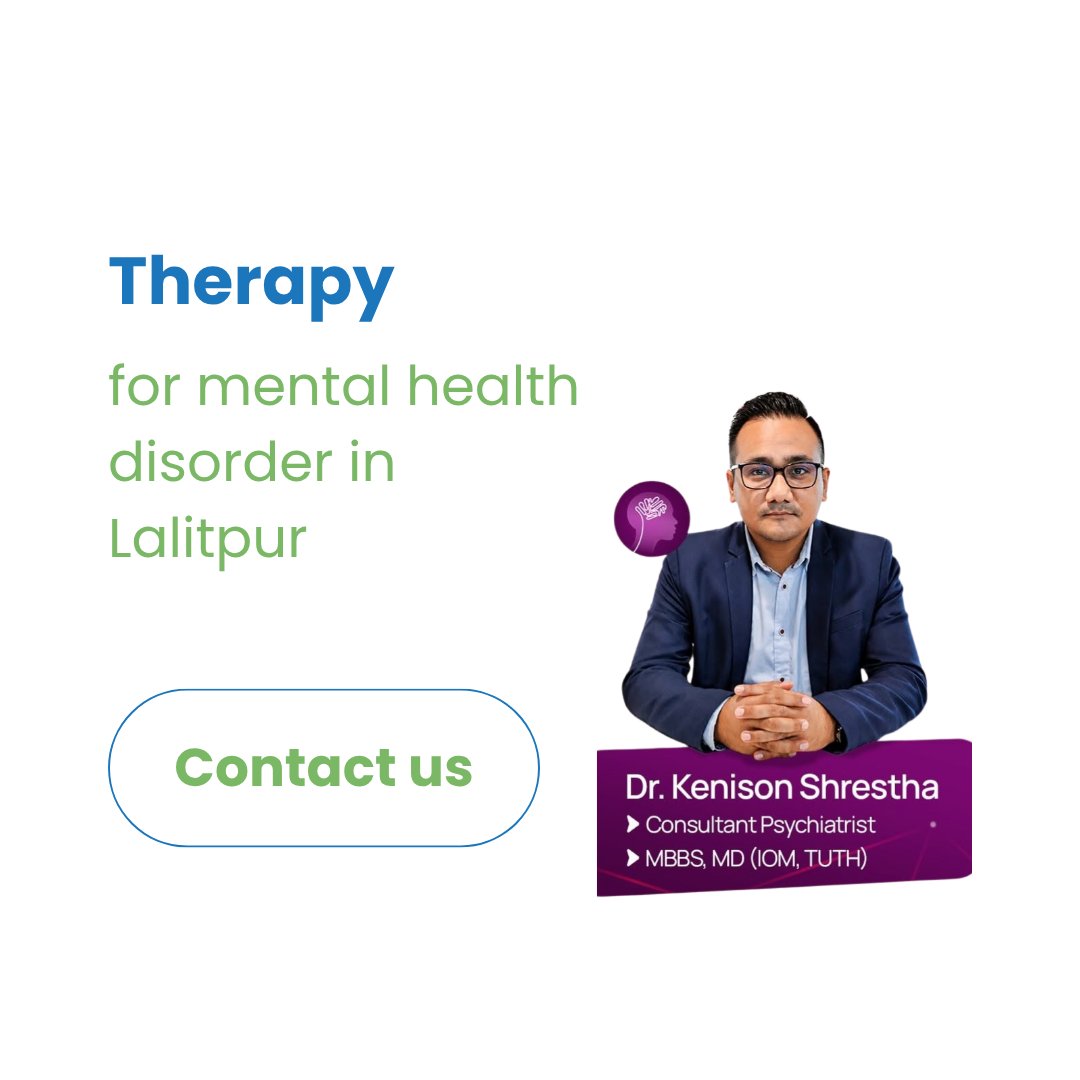
Dr. Kenison Shrestha
MD, Psychiatry
Consultant Psychiatrist, Nepal